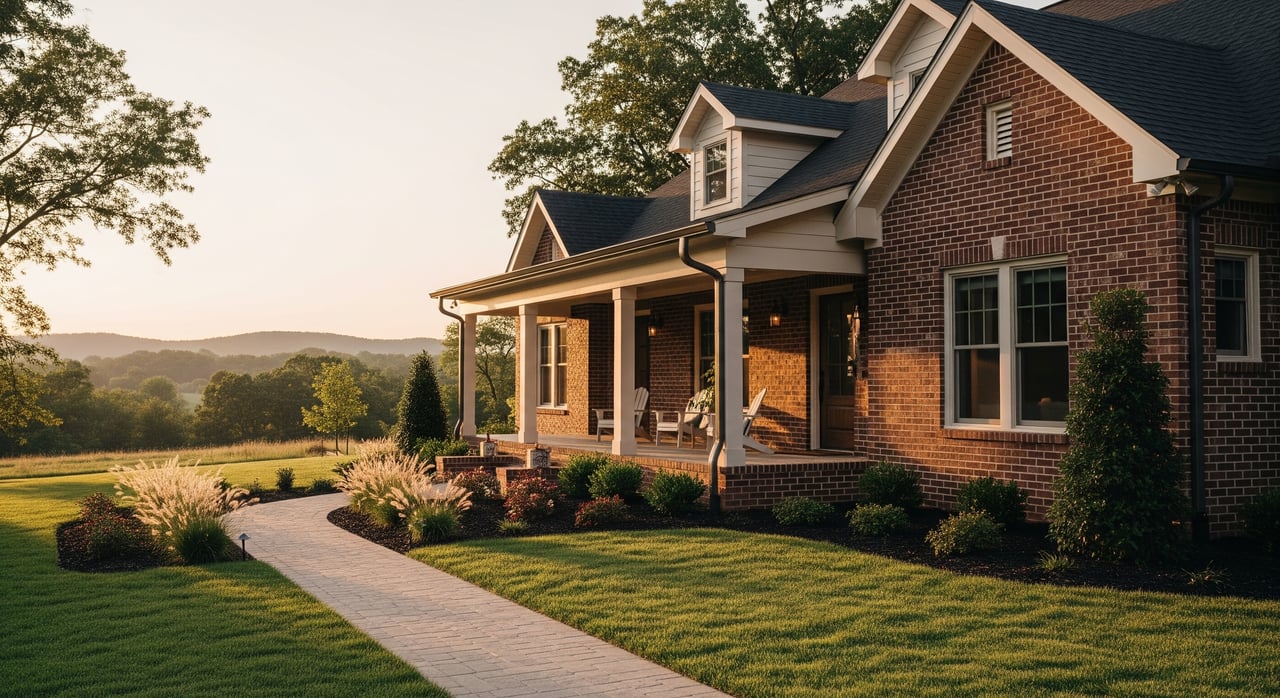
Thinking about listing your Fayetteville home in the next 1 to 3 months? You are not alone, and timing matters here. With the University of Arkansas nearby and steady growth across Northwest Arkansas, buyer demand can be strong when you present your home well. In this guide, you will learn a step-by-step plan to prepare, a realistic timeline, what to prioritize for the best return, and how to launch your listing with confidence. Let’s dive in.
Why Fayetteville timing matters
Fayetteville’s buyer pool is shaped by the University of Arkansas, local families, regional professionals, and out-of-area relocations. Campus events can influence showing traffic and weekend availability. If you plan to target student renters or parents, align your listing period with semester timing and major events like graduation or homecoming.
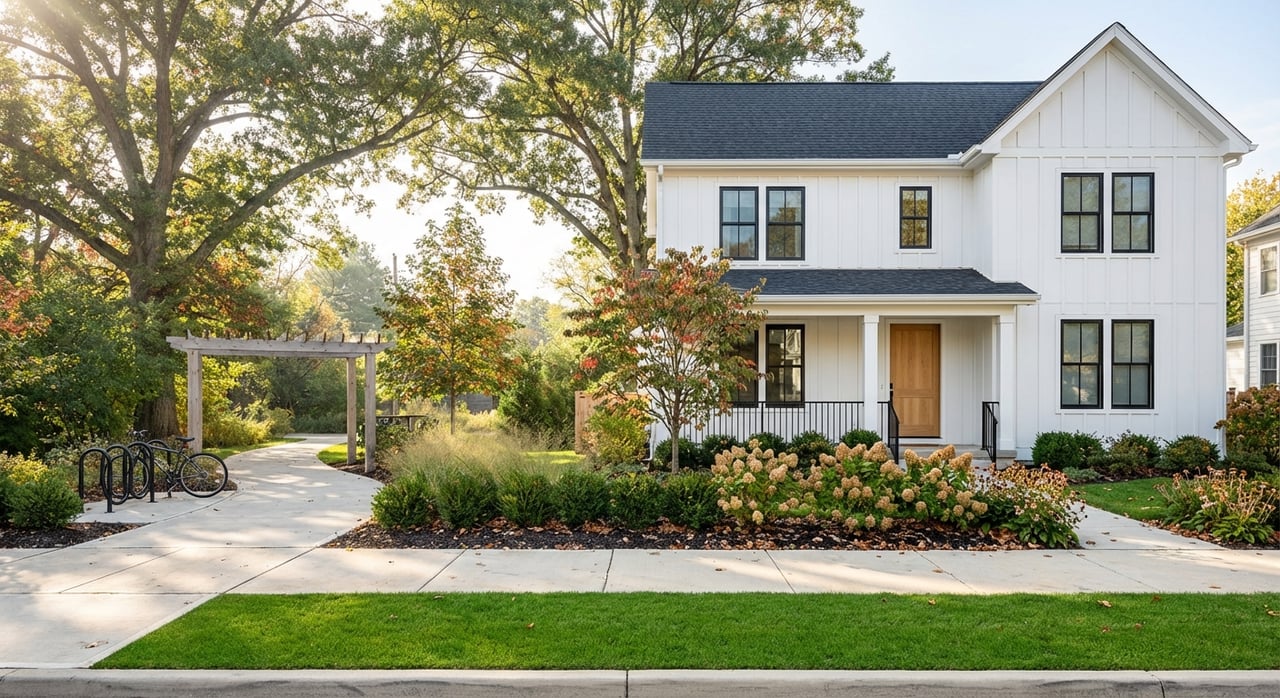
Seasonality also plays a role. Spring through summer often brings the most buyer activity and the best curb appeal. Lawn, beds, and exterior projects show well during these months. If you plan a fall listing, you can still make a strong impression with clean siding, fresh mulch, and a welcoming entry.
The takeaway is simple. Your presentation and pricing strategy should match current market conditions in your neighborhood. Small, high-impact improvements and polished marketing often make a meaningful difference.
Know Arkansas disclosures
Before you hit the market, set yourself up for a clean contract and a smooth closing. Arkansas sellers are expected to disclose known material defects and provide a Residential Property Condition Disclosure if available. For homes built before 1978, a federal lead-based paint disclosure is required.
Also gather documentation early. That includes warranties, permits for past work, appliance manuals, recent utility bills, HOA documents if applicable, previous inspection reports, and your survey or plat. If your home has a septic system or private well, check with the Washington County Health Department on any disclosure or transfer requirements. For recent renovations, verify that the appropriate City of Fayetteville permits and final inspections were completed.
If you have questions about forms or obligations, speak with your agent or a real estate attorney. Getting this right reduces risk and helps you negotiate from a position of trust.
Your prioritized checklist
Start with safety and function, then curb appeal, then presentation. Save larger remodels for last unless your comps demand them. Use the cost ranges below as general guidance and verify local quotes.
Immediate wins in weeks 1–3
- Declutter and depersonalize: Remove extra furniture, personal photos, and items that compete with the space. Cost: minimal for donation or bins. Impact: bigger, calmer rooms in photos and showings.
- Deep clean: Kitchens, bathrooms, windows, baseboards, and carpet. Typical cost: about $150 to $400, depending on size. Impact: a spotless home signals care and reduces buyer objections.
- Minor repairs and safety items: Fix leaky faucets, loose handles, door locks, squeaks, and handrails. Replace burned bulbs and patch small wall damage. Typical cost: $100 to $1,000 based on scope. Impact: fewer inspection issues.
- Paint touch-ups or neutral repaint: Cover scuffs and bold colors. A neutral, light palette modernizes rooms. Typical cost: DIY small jobs for minimal cost; full professional interior for a 3-bed home often $1,500 to $4,000.
Curb appeal in weeks 2–4
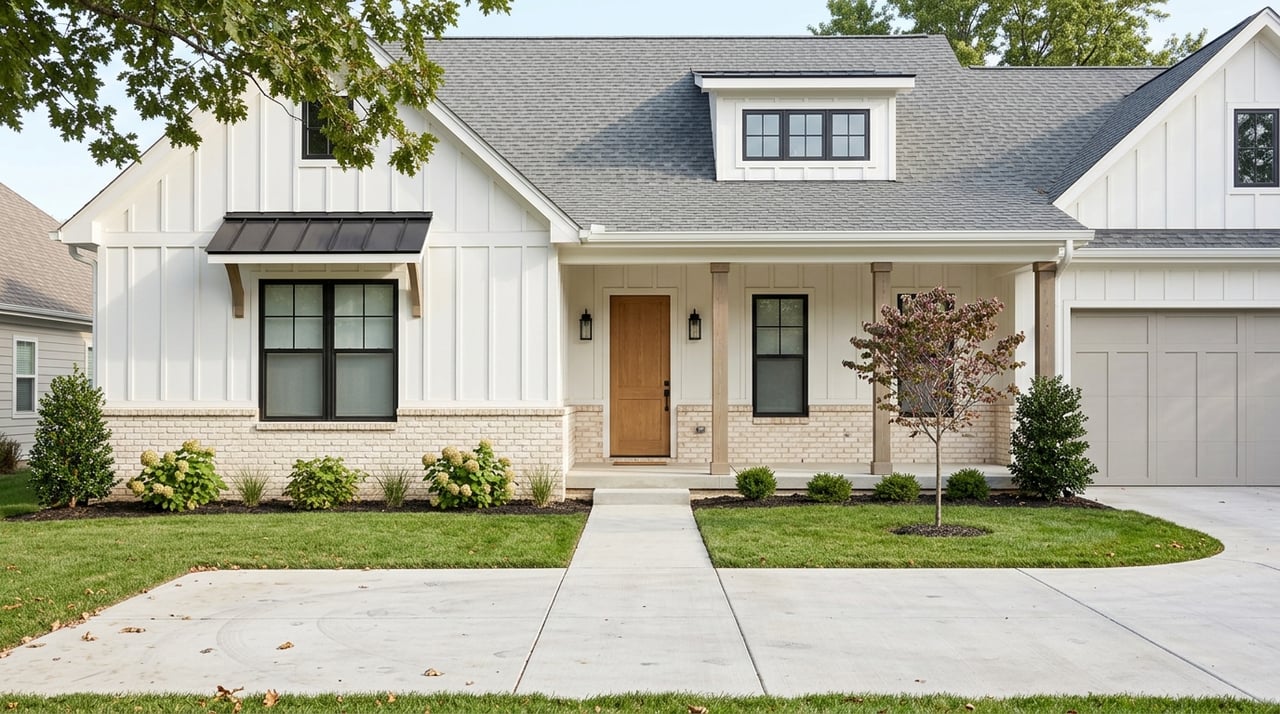
- Lawn and landscape basics: Mow, edge, prune, add fresh mulch, and plant simple annuals near the entry. Typical cost: $100 to $800 for a refresh. Impact: stronger first impression and better listing photos.
- Power wash and entry refresh: Clean siding, deck, and driveway. Paint or stain the front door. Update house numbers or mailbox if worn. Typical cost: $100 to $500 for power washing, $100 to $300 for the door.
- Roof and gutter check: Clear gutters and look for visible damage. Complete small repairs if needed to prevent inspection surprises.
Smart mid-cost upgrades in weeks 2–6
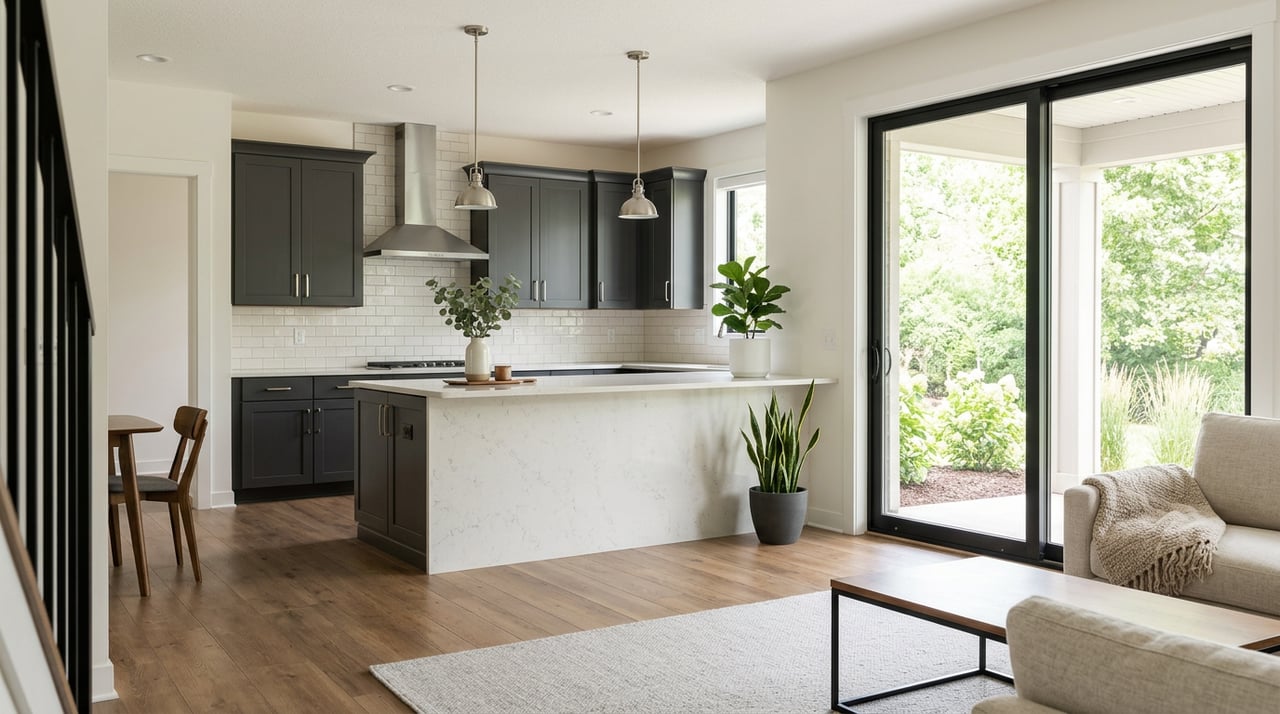
- Kitchen and bath cosmetics: Swap dated hardware and lighting, regrout or reglaze where needed, and update faucets. Consider painting cabinets if the finish is tired. Typical cost: $150 to $1,000 for fixtures; $1,000 to $5,000 for cabinet painting.
- Flooring refresh: Professionally clean carpet or replace worn areas. Refinish hardwoods if there is visible wear. Typical cost: carpet replacement often $1,500 to $4,000.
- Lighting and window coverings: Add brighter LED bulbs and use simple, neutral shades. Let natural light do the heavy lifting.
Staging, photos, and launch in the final 1–2 weeks
- Professional photography: High-quality images are essential for online views and showings. Typical cost: $150 to $500 based on package.
- Virtual tours and floor plans: A 3D tour or clean floor plan helps remote buyers and busy locals. Typical cost: $200 to $600.
- Professional staging: Full or partial staging can help your rooms read larger and more functional. Focus on living areas and the primary bedroom if budget is tight. Typical monthly rental starts around $300 and scales with scope.
- Optional pre-listing inspection: Useful for older homes or if you suspect issues. Typical cost: $300 to $600. Benefit: fix items in advance or price with clarity.
What to skip or delay
- Major kitchen or bath remodels: These are costly and time-consuming. They rarely pay back in the short window before listing unless your specific market comps demand it.
- Structural changes or additions: Only consider if essential for competitive positioning and you have the time and budget.
Exterior curb appeal checklist
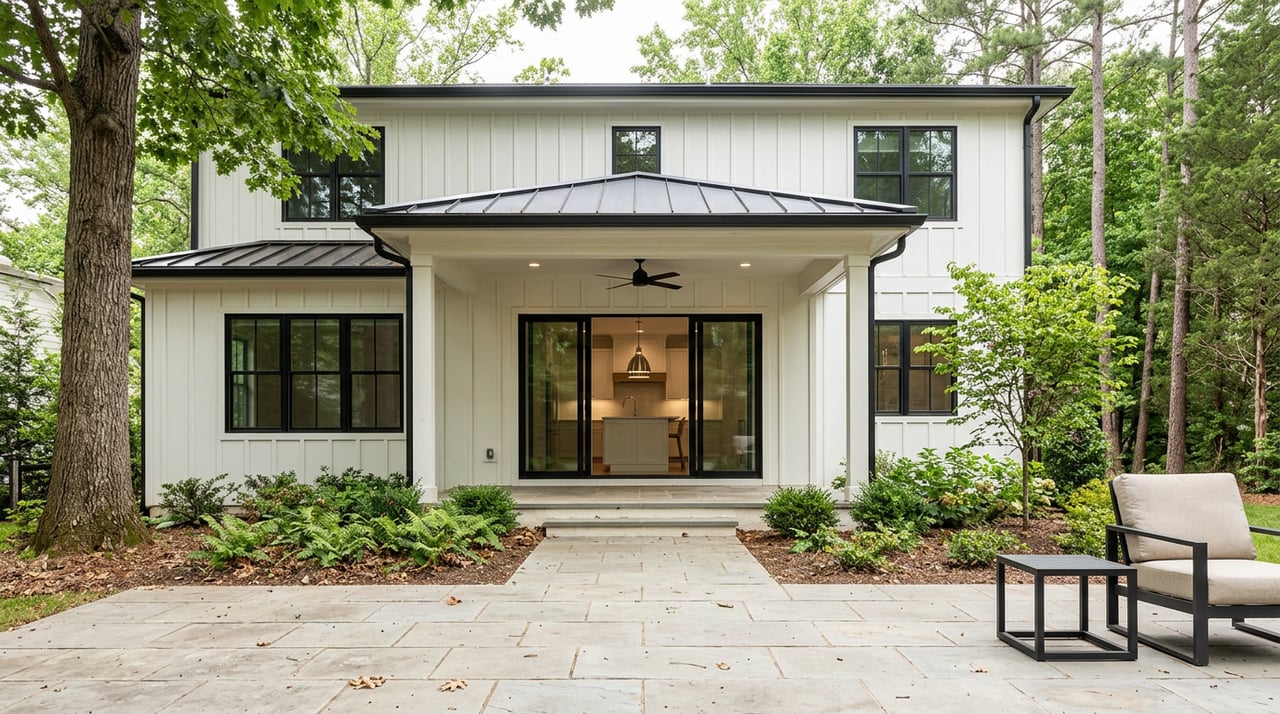
- Mow, edge, trim shrubs, and remove dead growth. Add mulch and a few fresh plants near the entry.
- Power wash siding, hardscape, and fencing. Repair or repaint trim where needed.
- Update the front door with fresh paint or stain. Add a new doormat and clean porch lighting.
- Replace worn house numbers or mailbox. Make sure the street view is crisp and welcoming.
Interior refresh essentials
- Declutter each room. Remove small accessories that crowd surfaces and floors.
- Neutralize decor. If walls are bold, repaint to a light, neutral tone that brightens photos.
- Deep clean bathrooms and kitchen, including grout and caulk. Replace cracked switch plates.
- Brighten lighting with LEDs. Use consistent color temperature for a unified look.
Smart upgrades that show well
- Replace dated cabinet pulls and knobs with simple, modern hardware.
- Swap out builder-grade faucets or tired light fixtures for clean, current styles.
- Reglaze or regrout tile to remove discoloration. Clean or replace worn shower curtains and rods.
- If carpet is stained or odorous, replace it. Consider budget-friendly options that match the home.
Six-week prep timeline
Use this sample timeline if you plan to list within 1 to 3 months. Shift tasks based on your home’s needs and contractor availability.
Weeks 6–8
- Meet with your agent to align on pricing strategy, timeline, and target buyers for your neighborhood.
- Book stagers, photographers, and contractors early. Get 2 to 3 bids for larger jobs.
- Start bigger projects like interior repainting, flooring, or contractor repairs that require scheduling.
Weeks 4–6
- Complete exterior updates and finish interior paint. Deep clean the entire home.
- Gather documents: seller disclosure draft, permits, warranties, HOA docs, utility info, and past inspections.
- Consider a pre-listing inspection if the home is older or has known issues.
Weeks 2–3
- Install final fixtures, hardware, and window coverings. Finish landscaping and entry updates.
- Stage key rooms and finalize touch-ups.
- Schedule pro photos and virtual tour. Pick a sunny day if possible.
Week 1
- Photoshoot, 3D tour, and floor plan completed.
- Prepare a highlight sheet that notes proximity to U of A, parks, trails, and key neighborhood amenities.
- If allowed, discuss a “coming soon” approach with your agent to build interest before going live.
Listing day
- Ensure the home matches the photos exactly. Remove personal items that are not part of the sale.
- Confirm lockbox, keys, and alarm codes. Make a plan for pets during showings.
- Launch on the MLS with accurate room measurements and clear, concise marketing remarks.
Show-ready daily routine
- Tidy surfaces and floors. Store personal items, mail, and laundry out of sight.
- Open blinds and turn on lights. Keep a comfortable temperature.
- Neutralize odors. Remove pet items and consider off-site care for pets during showings.
- Keep entryways swept and porches clear. Refresh mulch or planters as needed during the season.
Pricing and market strategy
Your price should reflect comparable sold homes, active competition, and recent days-on-market trends in your immediate area. The Fayetteville market can move quickly in desirable neighborhoods, especially with strong NWA employment and U of A-driven demand. Ask your agent for a fresh comparative market analysis shortly before listing so you can price with confidence.
Local resources to consult
- City of Fayetteville Planning and Development for permits and inspection questions.
- Washington County Health Department for septic or private well guidance.
- Washington County Assessor or Recorder for property records and tax status.
- University of Arkansas academic calendar for timing your listing around major events.
- Arkansas REALTORS Association and local MLS snapshots for current market guidance.
Vendor tips for Fayetteville sellers
- Ask your agent for a curated list of local contractors, stagers, photographers, and cleaners who can work within your timeline.
- For larger jobs, get 2 to 3 written bids and check references. Confirm insurance.
- Choose vendors who understand quick-turn listing prep. Clarity on scope, budget, and schedule is key.
Your next step
If you want a smooth launch and the strongest first impression, get professional help early. A local agent should bring a detailed prep plan, vendor access, polished marketing assets, and hands-on coordination from the first walkthrough to photo day. Ready to map your timeline and pricing strategy with a neighborhood-specific plan? Connect with Kayla Colón for a free home valuation, vendor referrals, and a tailored pre-listing checklist.
FAQs
What should Fayetteville sellers do first before listing?
- Start with decluttering, deep cleaning, and minor repairs, then consult an agent for a tailored plan and local vendor referrals.
How do Arkansas seller disclosures affect my sale?
- You must disclose known material defects and provide required forms, including the federal lead-based paint disclosure for pre-1978 homes.
When is the best time to list in Fayetteville?
- Spring through summer often brings more buyer traffic, and U of A events create micro-peaks that can influence showings and interest.
Should I get a pre-listing inspection in Fayetteville?
- It can help older homes by identifying issues early, reducing renegotiations, or informing pricing and contract terms.
How much should I budget for staging and photos?
- Plan for professional photos first, then add a 3D tour or floor plan. If budget allows, stage key rooms like the living area and primary bedroom.